
Fundamentals · 6 min read
What Are Asset Tags and Why Are They Important?
Short answer
An asset tag is a durable marker fixed to a physical item that gives it one unique, readable identifier. Its job is simple: to make sure a line in your asset register can always be matched to a specific object.
Most organisations already own an asset register. Far fewer can walk into a room and prove which register line corresponds to which computer, desk or machine. Asset tags close that gap.
What an asset tag actually contains
A tag holds identification information, not asset data. The register holds the data. In practice a tag carries some combination of the following:
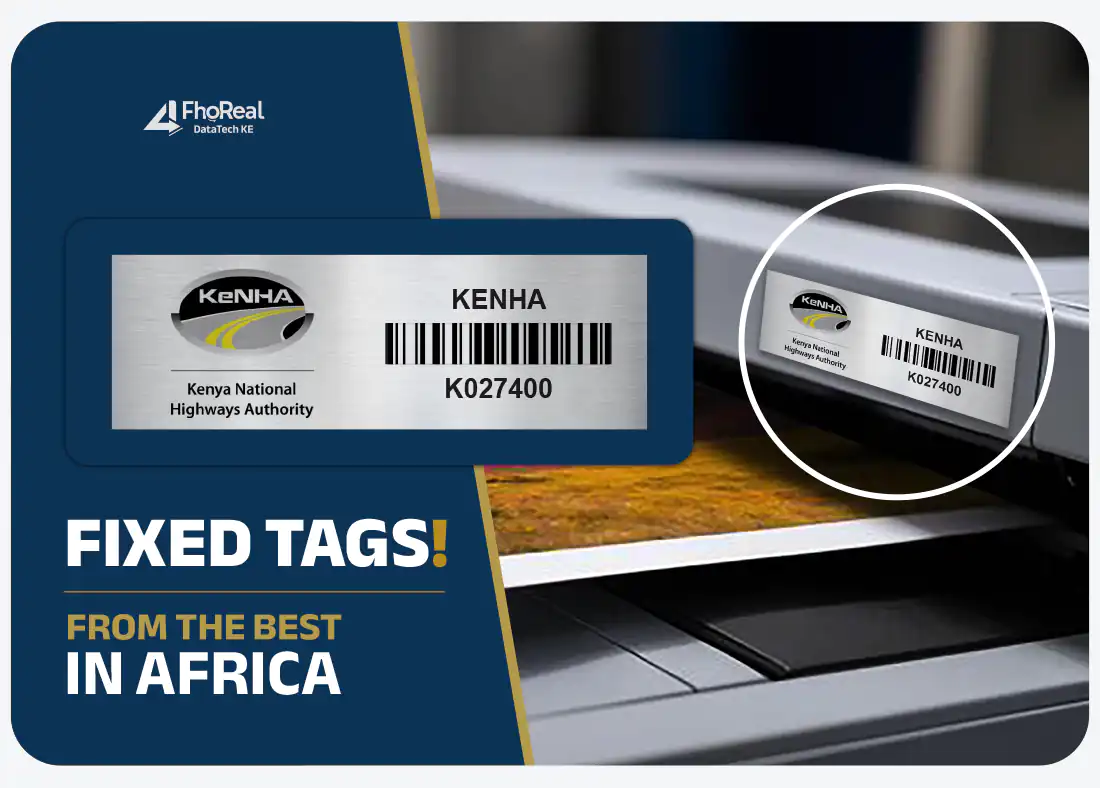
- A unique asset number, usually sequential and often prefixed
- The organisation name, short form or crest
- A barcode encoding the same number, for scanned verification
- A QR code, where the tag should reach a digital record
- Fixed text such as a department name or ownership statement
How asset tags fit into an audit
An asset register records what an organisation says it owns. An audit tests that statement against the physical items. The tag is the link between the two: the auditor reads the number on the item and finds the matching line, or finds the line and then the item.
Without tags, this match depends on descriptions such as "black chair, second floor", which are slow to check and easy to dispute. With tags, the question becomes simply whether every number in the register was found, and whether every number found is in the register.
Two things a tag should never do
- Carry changeable data such as the custodian or location, because that information goes out of date on the tag.
- Reuse a number after an asset is disposed of, because old records then point at two different items.
Why organisations tag assets
Verification becomes possible
Without tags, a physical count relies on descriptions — "black laptop, accounts office" — which cannot distinguish one of twelve identical units. With tags, verification is a matching exercise rather than a judgement call.
Accountability becomes specific
When equipment is issued, transferred or returned, a number lets the paperwork refer to one item. That is the difference between a record and an approximation.
Maintenance history attaches to the right unit
Service history is only useful if it belongs to a specific machine. Where several identical units are in service, the tag is what keeps a repair log honest.
The main types of asset tag
| Type | Typical use | Notes |
|---|---|---|
| Aluminium tags | ICT, furniture, machinery, institutional assets | Durable and professional; the default choice for long-service assets |
| Barcode tags | Large registers verified by scanning | Speeds up counts and reduces keying errors |
| QR code tags | Inspection and maintenance workflows | Readable with a phone; can reach an internal record |
| Serial number tags | First-time registration and numbering exercises | Guarantees a unique identifier per item |
| Custom tags | Mixed asset bases and unusual surfaces | Size, layout and fixing designed around the asset |
Where tagging usually goes wrong
- Numbering is designed after the tags are ordered, so the format has to change later.
- Tags are placed inconsistently, so a count requires lifting or turning equipment.
- The tag material is chosen for cost alone and fails in kitchens, laboratories or workshops.
- The register is never updated to reference the new numbers, leaving two parallel systems.
Getting started
Decide the numbering convention first, then the tag format, then the quantity. Those three decisions determine everything else, including the size of the tag and how it should be fixed.
Specifying tags for your own assets?
Send your asset types, quantity and numbering requirements and a quotation is prepared against your specification.