
Skip to content

Fundamentals · 4 min read

What Is the Difference Between an Asset Tag and an Asset Label?
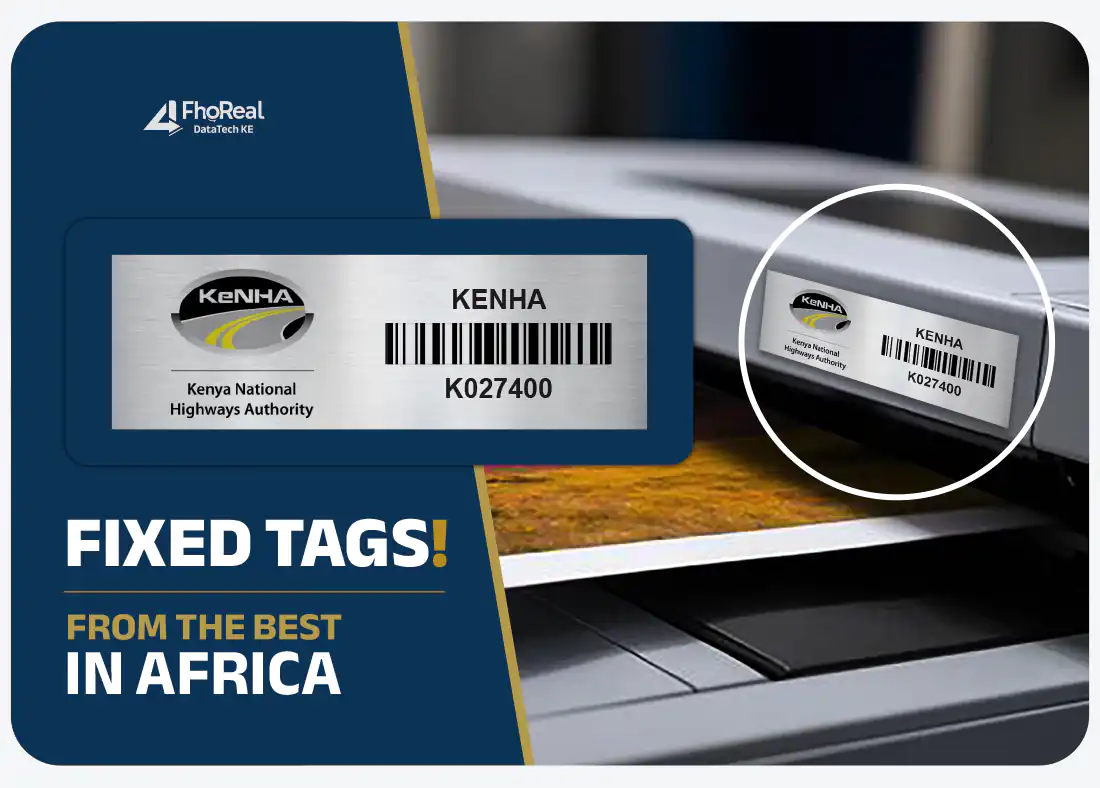
Short answer

The terms overlap in everyday use. In practice "asset tag" usually implies a rigid, durable plate — often metal — while "asset label" implies a thinner adhesive label. What matters when ordering is the material, fixing and service life, not the word.

Procurement documents use both terms, sometimes in the same sentence. Rather than argue definitions, it is more useful to know which physical properties each term tends to signal.

How the terms are generally used

Asset tagAsset label
Typical materialAluminium or other metalPolyester, vinyl or paper
RigidityRigid plateFlexible film
FixingAdhesive, rivets or screwsAdhesive
Expected service lifeLongShorter, environment-dependent
Common useMachinery, furniture, institutional assetsOffice equipment, high-volume items

Why the distinction matters in a quote

A request for "5,000 asset labels" and one for "5,000 aluminium asset tags" describe very different items and very different prices. Specifying material, size, fixing method and identification content removes the ambiguity entirely.

What to write in a request

  • Material — for example aluminium
  • Approximate size, or the surface it must fit
  • Fixing method — adhesive, rivet or screw holes
  • Content — numbering format, barcode or QR, any fixed text
  • Quantity and numbering range

Specifying tags for your own assets?

Send your asset types, quantity and numbering requirements and a quotation is prepared against your specification.

Ready to specify your asset tags?

Send your asset types, quantity and numbering requirements and we will prepare a quotation against your specification.

Request a Quote