
Industries
Asset Tagging by Industry
What gets tagged, how numbering is usually structured and which tag format fits — set out sector by sector, because a school laboratory and a production line present different problems.
Sectors
Choose your sector
Schools
School asset registers are difficult to keep accurate because equipment moves between classrooms, laboratories and departments, and because several people share responsibility for it. Tagging gives every item a fixed identity that survives those movements, so a register entry always points to one physical object.
View guidance
Hospitals
Clinical equipment is shared across wards, theatres and departments, and much of it is subject to servicing and calibration schedules. A durable tag lets staff identify a specific unit — not just a model — when logging a service, reporting a fault or completing a verification exercise.
View guidance
NGOs
NGOs carry a reporting obligation that most organisations do not: equipment bought under a grant usually has to be accounted for by project, and sometimes handed over at the end of it. Tagging assets at the point of receipt makes those reports straightforward rather than reconstructive.
View guidance
Corporates
In a corporate environment the asset register is a finance document, and its credibility depends on whether each line can be traced to a physical item. Tagging is what makes that trace possible during a verification exercise or an external audit.
View guidance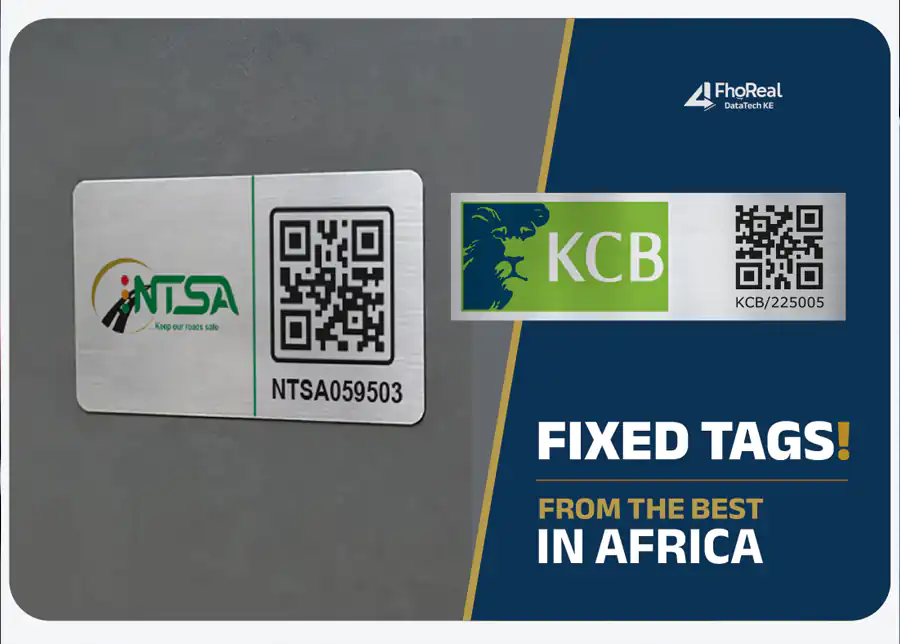
Universities
A university asset base is large, distributed and owned in practice by faculties rather than a single department. Tagging works when the numbering convention respects that structure, so a faculty can verify its own equipment while the institution keeps one register.
View guidance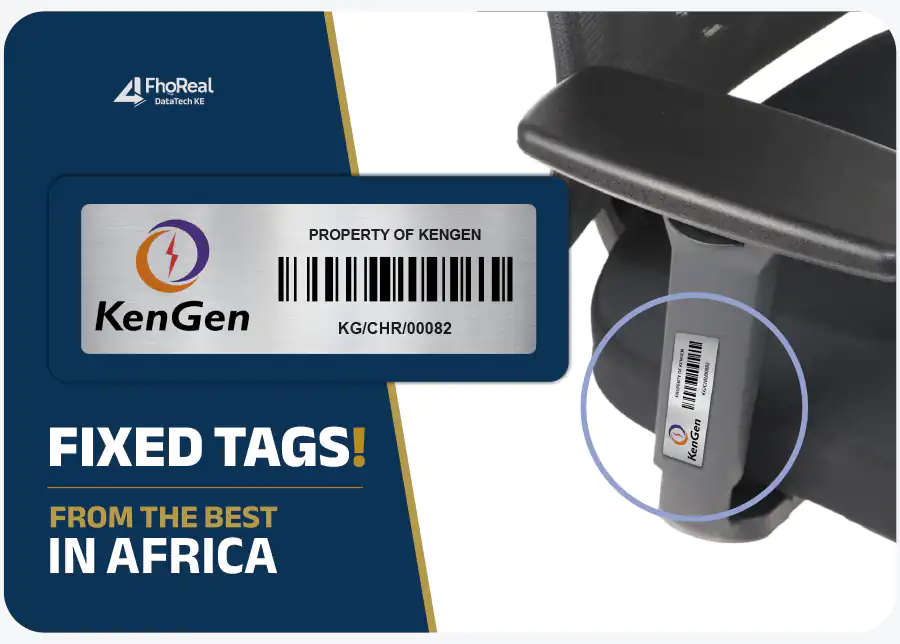
Government Institutions
Public bodies are accountable for equipment bought with public funds, and that accountability is exercised through registers and physical verification. A permanent, standardised tag on each item is what makes an inventory exercise defensible.
View guidance
Hotels
Hotel equipment moves constantly between rooms, stores and maintenance, and much of it exists in near-identical sets. Tagging separates one unit from forty otherwise identical ones, which matters for maintenance history and for stock control.
View guidance
Manufacturing
On a production floor a tag has to survive vibration, heat, oil and washdown, and it usually has to be readable while the equipment is running. That pushes manufacturing tagging towards heavier metal plates with mechanical fixing.
View guidanceGet started
Ready to specify your asset tags?
Send your asset types, quantity and numbering requirements and we will prepare a quotation against your specification.