
Skip to content

Implementation · 6 min read

How to Choose the Right Asset Tags for Your Organisation
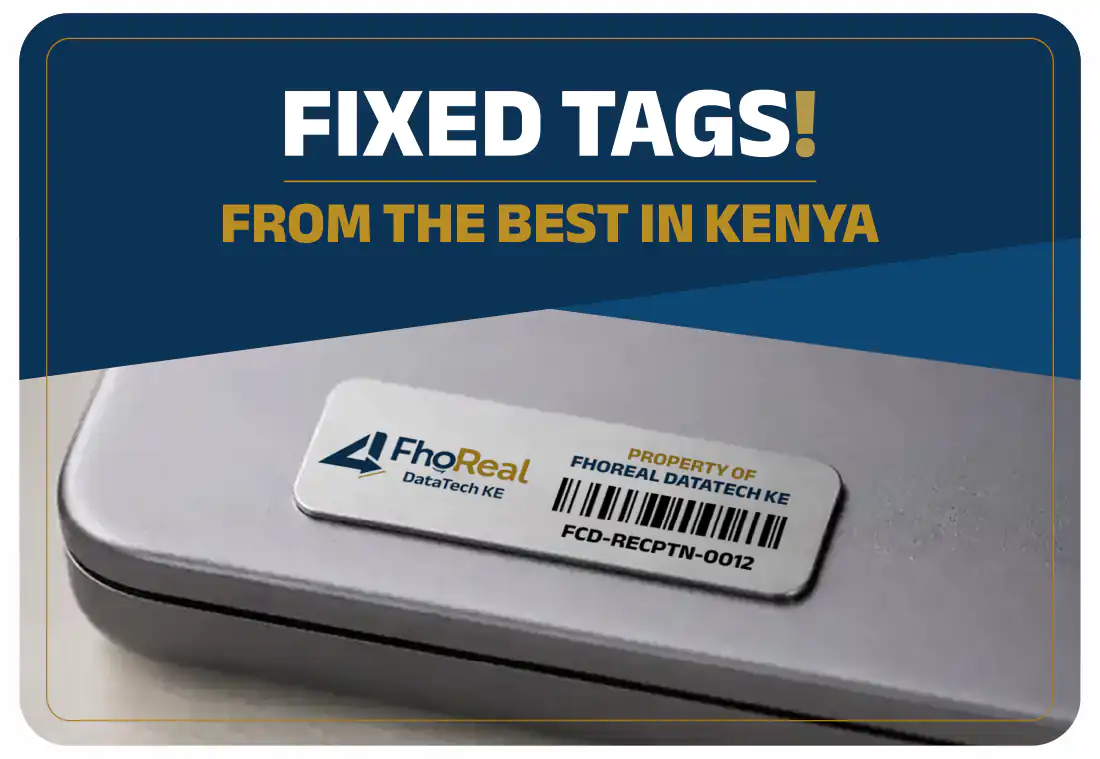
Selection of asset tag formats for different equipment surfaces

Short answer

Work in this order: what you are tagging, where the tag will sit, how it will be read, what it must show, then how many you need. Material and size follow from those answers.

Tag selection goes wrong when it starts with a product and works backwards. Start with the asset and the verification workflow instead, and the specification largely writes itself.

Step 1 — List what you are tagging

Group your assets by surface and environment, not by finance category. ICT casings, timber and painted furniture, stainless kitchen equipment and oily machinery each behave differently.

Step 2 — Decide where the tag sits

Choose a position that is visible without moving or dismantling the asset, flat enough to hold the tag, and away from vents, ports, controls and hot surfaces.

Step 3 — Decide how it will be read

  • Visual reading only — a clear number is enough
  • Scanner-based counts — include a barcode
  • Phone-based inspections — include a QR code
  • Both workflows — a larger tag can carry both

Step 4 — Decide what it must show

Keep it to the minimum: the asset number, the code if any, and short fixed text such as the organisation or department. Every additional element reduces the space available to the number.

Step 5 — Choose the fixing

SurfaceUsual fixing
Smooth ICT casings, cabinets, appliancesAdhesive backing
Painted or timber furnitureAdhesive or screws depending on handling
Machinery, plant, outdoor equipmentRivets or screws
Textured, curved or oily surfacesMechanical fixing

Step 6 — Confirm the quantity and range

Count the assets to be tagged, then add a margin for the coming period so the run covers new acquisitions without a second setup.

A worked example

A school wants to tag 600 desktop computers, 400 desks and 20 laboratory instruments. The computers have smooth plastic casings and are verified by scanning, so a compact tag with adhesive backing and a barcode fits. The desks are timber and handled roughly, so a larger tag fixed with screws is more suitable. The laboratory instruments need a tag that survives cleaning and sits away from controls.

That is three specifications from one tagging exercise, all sharing a single numbering convention. This is normal: the number is the constant; the tag format varies with the asset.

What to bring to a quote request

  • A list of asset types with approximate quantities
  • The surfaces the tags will sit on
  • How the tags will be read: by eye, scanner or phone
  • Any fixed text, such as organisation name or department
  • The numbering format and starting number, or a request for help setting one up

Specifying tags for your own assets?

Send your asset types, quantity and numbering requirements and a quotation is prepared against your specification.

Get started

Ready to specify your asset tags?

Send your asset types, quantity and numbering requirements and we will prepare a quotation against your specification.